![Revolution Arena [English Version]](https://revolutionarena.com/english/wp-content/uploads/sites/4/2024/07/Revolution-Arena-ISSN-2966-2117.png)
Nintendo’s Biggest Failures
March 15, 2025Nintendo is a company that needs no introduction. With over 130 years of history, the company has become synonymous with innovation, creativity and success in the world of video games. From its humble beginnings as a Hanafuda card manufacturer in 19th century Japan to becoming one of the biggest powerhouses in global entertainment, Nintendo has built a legacy that few companies can match. Its iconic characters, such as Mario, Link and Pikachu, are recognized in every corner of the planet, and its consoles have revolutionized the way millions of people play.
However, behind every major Nintendo success, there is a story of calculated risks, bold experiments and, sometimes, resounding failures. And it is precisely these failures that we will talk about in this special article. Because, yes, even a giant like Nintendo has made mistakes – some small, others monumental – that left deep marks on its trajectory. But, as we will see, these failures were not the end of the line; on the contrary, they were essential steps towards the company’s growth and reinvention.
The culture of innovation and the price of risk
Nintendo is known for its culture of innovation. Since its early days, the company has always sought to explore new frontiers, whether in product design, technology, or user experience. This bold mindset is what has allowed Nintendo to create revolutionary consoles like the NES, Wii, and Nintendo Switch, and generation-defining franchises like Super Mario , The Legend of Zelda , and Pokémon .
But innovation doesn’t always mean getting it right. Nintendo’s history is full of examples of products that, although ambitious and visionary, failed to win over the public or achieve the expected success. These failures, however, helped Nintendo become the company it is today, and analyzing Nintendo’s failures is more than just revisiting embarrassing or curious moments in the company’s history; it is an opportunity to understand how one of the largest companies in the world deals with failure, learns from its mistakes and reinvents itself to remain relevant in a highly competitive market.
In this article, we’ll explore some of Nintendo’s biggest failures, including the Virtual Boy , the Wii U , and the Nintendo 64DD . We’ll look at what went wrong, the lessons learned, and how the company bounced back to continue innovating and conquering the market. We’ll also look at what these failures teach us about the nature of innovation and the importance of taking risks, even when success isn’t guaranteed.
It’s easy to look back at Nintendo’s failures and see only negative numbers, harsh criticism, and missed opportunities. But each failure carries with it a valuable lesson: The Virtual Boy , for example, showed Nintendo the limits of virtual reality technology and the importance of prioritizing user comfort. The Wii U , in turn, served as a testing ground for ideas that would be refined and transformed into the smash hit Nintendo Switch .
This duality – the pain of failure and the learning it provides – is what makes Nintendo’s story so fascinating. The company not only survived its mistakes, but used them as fuel to reinvent itself and continue innovating in the gaming market. And it is this resilience that keeps it at the top of the video game industry, even after more than a century of existence.
Virtual Boy (1995)

The Virtual Boy is, without a doubt, one of the most curious and controversial chapters in Nintendo’s history. Launched in 1995, it sold around 770,000 units and was the Big N’s first commercial foray into the world of virtual reality, a technology that, at the time, was seen as the future of video games. However, what promised to be a revolution ended up becoming one of Nintendo’s biggest failures, both in terms of business and reputation. But, as we will see, the Virtual Boy was not just a mistake; it was a bold experiment that left valuable lessons for the company and the video game industry as a whole.
Nintendo in the 1990s
To understand the Virtual Boy, we need to go back to the early 1990s. Nintendo was at the height of its success, with the Super Nintendo Entertainment System (SNES) dominating the console market and franchises like Super Mario and The Legend of Zelda gaining fans around the world. However, the company was also facing increasing competition, most notably from Sega, which had released the Mega Drive and was gaining traction with aggressive marketing campaigns and games like Sonic the Hedgehog .
It was in this context that Nintendo decided to invest in a new technology: virtual reality. The idea was to create a console that offered an immersive experience, something that no other video game console at the time could provide. The result was the Virtual Boy, an ambitious project that, unfortunately, failed to deliver what it promised.
What was the Virtual Boy?
The Virtual Boy was the first commercially available virtual reality console. Unlike traditional consoles, it did not use a TV or monitor; instead, the player placed their face into a visor mounted on a stand, which displayed stereoscopic 3D images. The console utilized a technology called parallax , which created the illusion of depth by displaying two slightly different images to each eye.
- Design and Technology : The Virtual Boy had a peculiar design, with a stand that resembled a tripod and a visor that the player had to hold against their face. The images were displayed in red and black, a technical limitation of the time that ended up being one of the main points of criticism.
- Control : The Virtual Boy’s controller was similar to that of the Super Nintendo, but with a more ergonomic design, adapted for the virtual reality experience.
The Virtual Boy’s Problems
Despite its ambition, the Virtual Boy faced a number of problems that contributed to its failure. Let’s detail the main ones:
1. Physical discomfort
One of the biggest problems with the Virtual Boy was the discomfort it caused to players. Many people reported headaches, nausea, and eye strain after using the console for short periods. This was because the technology for displaying 3D images was not yet mature enough to provide a comfortable experience.
2. Lack of games
Another critical problem was the lack of quality games. The Virtual Boy had an extremely limited library, with only 22 games released , most of which were considered mediocre by critics and gamers. Without compelling titles, the console failed to win over the public.
3. High price
The Virtual Boy was released at a high price for its time, which turned many consumers off. Additionally, the additional cost of purchasing games and accessories made the console even less affordable.
4. Confusing marketing
Nintendo failed to clearly communicate the benefits of the Virtual Boy. Many consumers did not understand the concept of virtual reality or thought the console was just an add-on for the Super Nintendo. This resulted in a lack of interest and enthusiasm on the part of the public.
Lessons Learned from the Virtual Boy
Despite its commercial failure, the Virtual Boy left an important legacy for Nintendo and the video game industry. Here are some of the lessons the company learned from this experience:
1. The importance of user comfort
The Virtual Boy showed that technology, no matter how advanced, needs to be accessible and comfortable for the user. Nintendo learned that there is no point in creating an innovative experience if it causes discomfort or difficulty for the player.
2. The need for a strong game library
The lack of quality games was one of the main reasons for the Virtual Boy’s failure. Nintendo understood that for a console to be successful, it needed a robust and diverse library of titles that appealed to different types of gamers.
3. The Importance of Effective Marketing
The Virtual Boy also demonstrated that clear and effective communication is essential to a product’s success. Nintendo learned the importance of explaining the benefits of its consoles in a simple and straightforward way, something that it refined in subsequent releases such as the Wii and Nintendo Switch.
[2] Nintendo 64DD (1999)
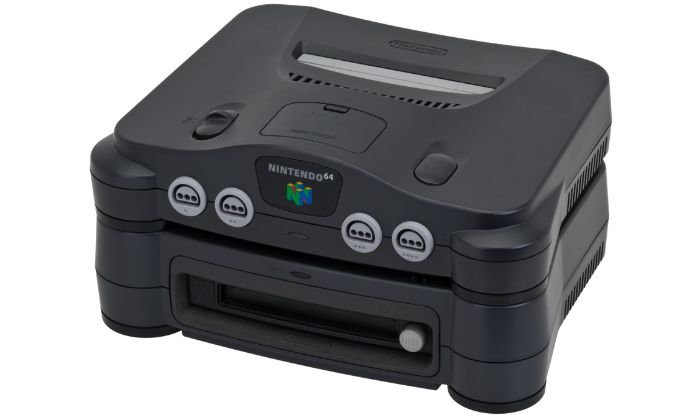
The Nintendo 64DD is one of those products that, although little remembered, has a fascinating history full of lessons. Launched in 1999 as an accessory for the Nintendo 64 , the 64DD promised to revolutionize the gaming experience with magnetic disks that offered more storage space and new features. However, what seemed like a promising innovation ended up becoming one of Nintendo’s biggest failures. In this topic, we will explore what the Nintendo 64DD was, the reasons for its failure and the lessons the company learned from this experience.
Nintendo in the Nintendo 64 era
To understand the Nintendo 64DD, we need to go back to the late 1990s, when Nintendo was at the height of the console wars. The Nintendo 64 , released in 1996, was a powerful console for its time, with impressive 3D graphics and iconic games like Super Mario 64 and The Legend of Zelda: Ocarina of Time . However, the N64 faced stiff competition from Sony’s PlayStation , which used CDs instead of cartridges, offering more storage space and lower production costs.
It was in this context that Nintendo decided to launch the 64DD , an accessory that allowed the use of magnetic disks, called Disk Drive , to expand the capabilities of the Nintendo 64. The idea was to attract developers and players with the promise of larger, more complex games with innovative features, such as the ability to save data directly to the disks.
What was the Nintendo 64DD?
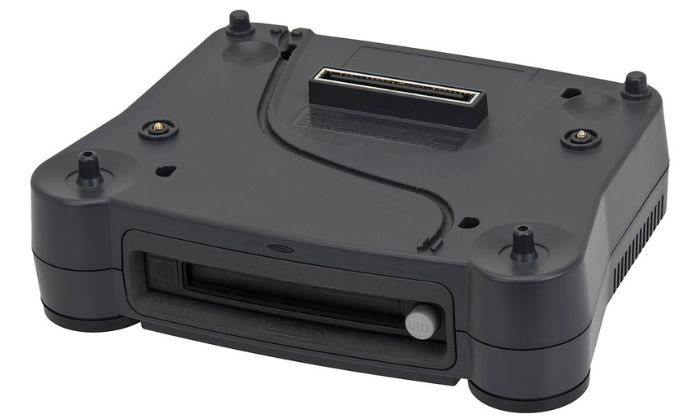
The Nintendo 64DD (where “DD” stands for Disk Drive ) was designed as an expansion for the Nintendo 64. It utilized magnetic disks that could store up to 64 MB of data , a significant amount for the time, especially when compared to the N64’s cartridges, which had much smaller capacities.
Promised Features
- Larger Storage Capacity : The 64DD’s disks allowed for larger, more complex games with more content and detailed graphics.
- Online Features : The 64DD promised to offer online features, such as additional content downloads and multiplayer games via modem.
- Creation Tools : The accessory included tools that allowed users to create their own levels and modify games, something revolutionary for the time.
Design and Technology
- The 64DD was an external device that plugged into the bottom of the Nintendo 64. It had a chunky design and was relatively large, which made it impractical for some users.
- Magnetic disks were similar to floppy disks, but with a much larger capacity. They could be rewritten, which allowed for game updates and expansions.
The Nintendo 64DD Problems
Despite its ambitious promises, the Nintendo 64DD faced a number of problems that contributed to its failure. Let’s break down the main ones:
1. Launch Delays
One of the biggest problems with the 64DD was its delayed release. Originally announced in 1995, the accessory was not released in Japan until December 1999 , three years after the release of the Nintendo 64. This significant delay diminished the product’s impact on the market and caused many consumers to lose interest.
2. Lack of Developer Support
Another critical problem was the lack of developer support. Few companies were interested in creating games for the 64DD, resulting in an extremely limited library. Only 10 games were officially released for the accessory, most of which were considered mediocre by critics and gamers.
3. High Cost
The 64DD was released at a high price, which turned many consumers off. In addition, the additional cost of purchasing games and accessories made the product even less affordable. To make matters worse, the Nintendo 64 was already an expensive console, and the 64DD only added to the investment required.
4. Competition with PlayStation
While Nintendo was investing in the 64DD, Sony’s PlayStation continued to dominate the market with its CD-based games, which were cheaper to produce and offered more space for content. The 64DD’s lack of clear advantages over the PlayStation caused many consumers to opt for the competitor.
Lessons Learned from the Nintendo 64DD
Despite its commercial failure, the Nintendo 64DD left an important legacy for Nintendo and the video game industry:
1. Importance of timing
The delay in the 64DD’s launch showed Nintendo the importance of releasing products at the right time. The company learned that in the technology market, timing is crucial to the success of a product.
2. Need for developer support
The lack of quality games was one of the main reasons for the 64DD’s failure. Nintendo understood that for a product to be successful, it needs the support of developers and a robust library of titles.
3. Importance of a clear value proposition
The 64DD also showed that it’s essential to clearly communicate the benefits of a product. Nintendo learned that consumers need to understand why they should invest in a new technology, something that was further refined in later releases like the Wii and Nintendo Switch.
[3] Wii U (2012)

The Console That Failed to Win Over the Public: The Wii U is one of the most intriguing and, at the same time, frustrating chapters in Nintendo’s history. Launched in 2012 as the successor to the Wii , the console promised to revolutionize the gaming experience with its innovative controller, the GamePad , which included an integrated touchscreen. However, despite its good intentions and some truly innovative aspects, the Wii U ended up being one of Nintendo’s biggest failures in terms of sales and public acceptance. In this topic, we will explore what the Wii U was, the reasons for its failure and the lessons the company learned from this experience.
Nintendo in the post-Wii era
To understand the Wii U, we need to go back to the late 2000s, when Nintendo was at the height of its success with the Wii . Launched in 2006, the Wii was a global phenomenon, selling over 100 million units and appealing to a wide audience, including families, seniors, and people who had never played video games before. The secret to the Wii’s success was its motion controls, which offered an accessible and fun gaming experience.
However, by the early 2010s, the video game market was changing rapidly. The competition, represented by Sony’s PlayStation 3 and Microsoft’s Xbox 360 , was focused on high-definition graphics and robust online experiences. In addition, the Wii was beginning to lose steam, with declining sales and a library of games that no longer attracted much interest.
It was in this context that Nintendo decided to launch the Wii U, a console that promised to combine the accessibility of the Wii with new technologies and innovative features.
What Was the Wii U?
The Wii U was released in November 2012 as Nintendo’s first console with high-definition graphics. It was compatible with the Wii controllers, but its biggest difference was the GamePad , a controller with an integrated touchscreen that allowed new forms of interaction.
Promised Features
- GamePad : The GamePod’s screen allowed players to continue playing even when the TV was turned off, as well as providing secondary functionality such as maps, inventories, and menus.
- HD Graphics : The Wii U was Nintendo’s first console to offer high-definition graphics, something competitors had been doing for years.
- Wii Compatibility : The console was compatible with Wii controllers and games, allowing for a smooth transition for users who already owned the previous console.
Design and Technology
- The Wii U had a modern, compact design, with a main console that connected to the TV and the GamePad, which could be used independently.
- The GamePad’s 6.2-inch screen offered a unique experience, but it was also bulky and had a short battery life, which limited its usefulness.
The problems of the Wii U
Despite its ambitious promises, the Wii U faced a number of problems that contributed to its failure. Let’s break down the main ones:
1. Confusing Marketing
One of the biggest problems with the Wii U was its marketing. Many consumers didn’t understand that the Wii U was a new console, thinking it was just an add-on for the Wii. Nintendo failed to clearly communicate the benefits of the console, which resulted in a lack of interest and enthusiasm from the public.
2. Lack of Exclusive Games
Another critical issue was the lack of high-profile exclusive games. While the Wii U had some acclaimed titles, such as Super Mario 3D World and The Legend of Zelda: Breath of the Wild , the game library was considered weak compared to its competitors. Many third-party developers abandoned the console, resulting in a dearth of quality games.
3. Limited GamePad
While innovative, the GamePad had several limitations. It was bulky, had a short battery life, and didn’t offer a significantly better experience than traditional controllers. Additionally, few games took full advantage of the touchscreen, which led many gamers to view the GamePad as an unnecessary accessory.
4. Competition with PlayStation 4 and Xbox One
While Nintendo was investing in the Wii U, Sony and Microsoft released the PlayStation 4 and Xbox One , respectively. These consoles offered superior graphics, robust online experiences, and a more appealing library of games, which led many consumers to opt for their competitors.
Lessons Learned from the Wii U
Despite its commercial failure, the Wii U left an important legacy for Nintendo and the video game industry. Here are some of the lessons the company learned from the experience:
1. The Importance of Clear Communication
The Wii U’s confusing marketing showed Nintendo the importance of clearly communicating the benefits of a product. The company learned that consumers need to understand why they should invest in a new technology, something that was enhanced with the launch of the Nintendo Switch .
2. The Need for a Strong Game Library
The lack of quality games was one of the main reasons for the Wii U’s failure. Nintendo understood that for a console to be successful, it needs a robust and diverse library of titles that appeal to different types of gamers.
3. The Importance of Purposeful Innovation
The Wii U also showed that innovation alone isn’t enough; it needs to be useful and well-implemented. Nintendo learned the importance of aligning its innovations with players’ expectations and needs, something that was refined in the design of the Nintendo Switch.
The Wii U in Nintendo history
The Wii U may have been a commercial failure, but it represents a pivotal moment in Nintendo’s history. It was a bold attempt to explore new technologies and offer a unique experience to gamers. While it ultimately failed, it served as a testing ground for ideas that would be refined and transformed into the runaway success of the Nintendo Switch .
[4] Other minor failures
In addition to major failures like the Virtual Boy , Nintendo 64DD , and Wii U , Nintendo also had other products that, although less well-known, failed to achieve the expected success. These “minor failures” may not have caused as much negative impact as the major disasters, but each of them carries valuable lessons about the challenges of innovating in a highly competitive market. In this topic, we will explore some of these products, such as the Power Glove , Game Boy Micro , and others, analyzing what went wrong and what Nintendo learned from these experiences.
1. Power Glove (1989): The revolution that never happened
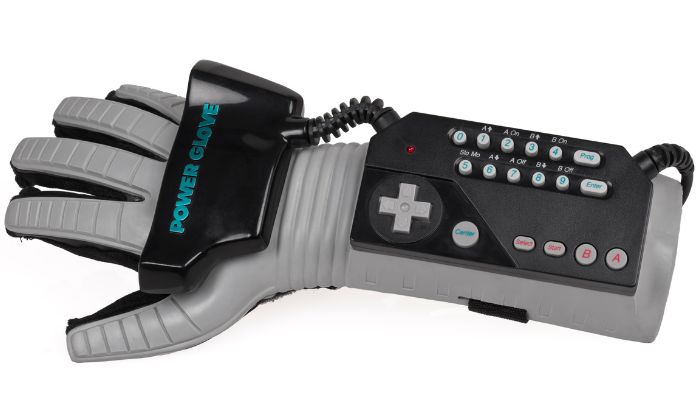
The Power Glove is one of the most iconic (and failed) accessories in video game history. Released in 1989 for the Nintendo Entertainment System (NES) , it promised to revolutionize the way players interacted with games by offering motion and gesture control. However, despite its futuristic appearance and being popularized in films like Total Recall , the Power Glove ended up being a commercial and critical failure.
What Was the Power Glove?
- The Power Glove was a glove-shaped controller that allowed players to control games with hand and finger movements. It had sensors that detected the position of the hand and converted it into in-game commands.
- The accessory was developed by Mattel , in partnership with Nintendo, and was launched with great expectations.
Problems and Criticisms
- Inaccuracy : The Power Glove was notoriously inaccurate, making it difficult to control games efficiently. Many players complained that movements were not recognized correctly.
- Limited Compatibility : The accessory was only compatible with a few NES games, which limited its usefulness.
- Intimidating Design : While the futuristic design was appealing, the Power Glove was large and uncomfortable, especially for children.
Lessons learned
- Despite its failure, the Power Glove showed that Nintendo was willing to explore new forms of interaction. It served as a precursor to the motion controls that would be popularized years later with the Wii .
2. Game Boy Micro (2005): The handheld that didn’t win over
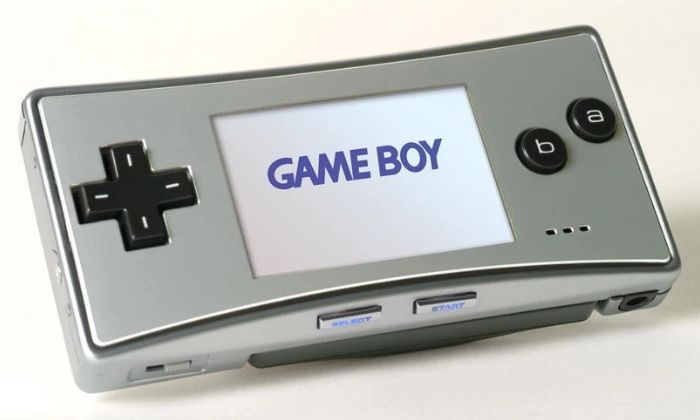
The Game Boy Micro was released in 2005 as a miniaturized version of the Game Boy Advance . Despite its sleek and compact design, the console failed to attract mainstream audiences and ended up being one of the lowest-selling products in the Game Boy line.
What Was the Game Boy Micro?
- The Game Boy Micro was a scaled-down version of the Game Boy Advance, with a modern design and a backlit screen. It was designed to be portable and stylish, targeting a more adult audience.
- The console was compatible with all Game Boy Advance games, but not with original Game Boy games.
Problems and Criticisms
- Late Release : The Game Boy Micro was released late in the Game Boy Advance’s life cycle, when Nintendo was already focusing on the Nintendo DS . This caused many consumers to opt for the DS over the Micro.
- Lack of Innovation : Although the design was attractive, the Game Boy Micro offered no new features or significant improvements over the Game Boy Advance.
- High Price : The console was released at a relatively high price, which put off many consumers.
Lessons learned
- The Game Boy Micro showed that even with an attractive design, a product needs to offer something more to win over the public. It served as a reminder that innovation can’t be just skin deep.
3. Nintendo e-Reader (2002): The card reader that never took off
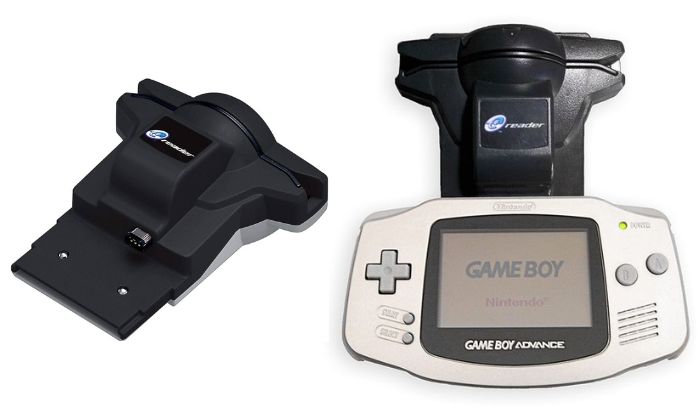
The Nintendo e-Reader was an accessory released in 2002 for the Game Boy Advance. It allowed players to read special cards, called e-Cards , which could unlock additional content in games or even new minigames.
What Was the Nintendo e-Reader?
- The e-Reader was a device that connected to the Game Boy Advance and allowed the reading of cards with barcodes. These cards could contain data to unlock levels, characters or minigames.
- The idea was to offer a new form of interaction and expand the players’ experience.
Problems and Criticisms
- Limited Compatibility : The e-Reader was compatible with only a few Game Boy Advance games, which limited its usefulness.
- Lack of Content : The library of available cards was small and unappealing, which caused many players to lose interest.
- Clumsy Design : The e-Reader was large and impractical, which made it difficult to use.
Lessons learned
- The e-Reader showed that Nintendo was willing to explore new ways of distributing content. While it didn’t pan out, it served as a precursor to ideas that would be refined in future products like the amiibo .
4. Satellaview (1995): The online service that didn’t make it

The Satellaview was an accessory released in 1995 for the Super Famicom (the Japanese version of the Super Nintendo). It allowed players to download games and additional content via satellite, a revolutionary idea for the time.
What Was Satellaview?
- The Satellaview was a device that connected to the Super Famicom and allowed games and additional content to be downloaded via satellite transmission. It also offered features such as live broadcasts and interactive programs.
- The idea was to offer a unique and regularly updated gaming experience.
Problems and Criticisms
- Limited Availability : The Satellaview was only released in Japan, which limited its reach and impact.
- High Cost : The accessory was expensive and required a monthly subscription, which turned many consumers away.
- Lack of Support : Few developers supported Satellaview, resulting in a limited library of content.
Lessons learned
- Satellaview showed that Nintendo was ahead of its time in exploring digital distribution of content. While it ultimately failed, it served as a precursor to services like the Nintendo eShop .
Smaller failures, bigger lessons
These “smaller failures” may not have had as much impact as Nintendo’s larger disasters, but each one holds valuable lessons about the challenges of innovating in a highly competitive market. Whether it’s the Power Glove, the Game Boy Micro, the Nintendo e-Reader, or the Satellaview, all of these products show that Nintendo is willing to take risks and experiment with new ideas, even if it means facing failure.
And it’s this mindset – of viewing mistakes as opportunities to learn and grow – that keeps Nintendo at the top of the video game industry, continuing to innovate and delight generations of gamers around the world.
[5] How Nintendo Recovered from Its Failures to Achieve the Success of the Switch
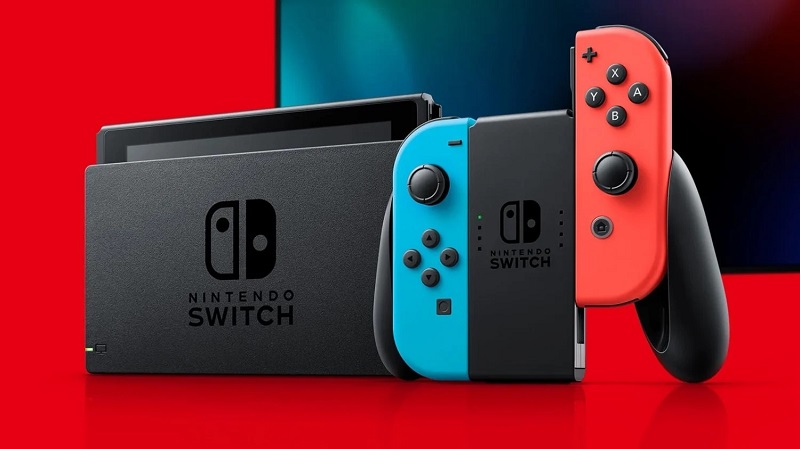
Nintendo’s history is full of ups and downs, but what’s most impressive isn’t the failures themselves, but the company’s ability to reinvent itself and learn from its mistakes. Every unsuccessful product, from the Virtual Boy to the Wii U , served as a valuable lesson that helped Nintendo refine its strategies and create products that won the hearts of gamers. In this article, we’ll explore how Nintendo recovered from its failures and how those lessons culminated in the resounding success of the Nintendo Switch .
1. Learning from the Virtual Boy: the importance of comfort and user experience
The Virtual Boy was one of Nintendo’s first major failures, but it was also one of the company’s most important experiences. The console showed that technological innovation, no matter how impressive, needs to be accessible and comfortable for the user.
Lessons Learned
- Comfort is Key : The Virtual Boy caused physical discomfort, such as headaches and nausea, which turned many players off. Nintendo learned that technology needs to be designed with the user’s well-being in mind.
- Focus on Experience : The company understood that innovation cannot be just technical; it needs to improve the player experience in a tangible way.
Application on Nintendo Switch
- The Nintendo Switch was designed with comfort and portability in mind. Its ergonomic design and the ability to play on both a TV and handheld mode show that Nintendo has learned to prioritize the user experience.
2. Outgrowing the Nintendo 64DD: The Need for a Strong Game Library
The Nintendo 64DD was a failure largely due to a lack of developer support and a dearth of quality games. This failure showed Nintendo the importance of building a robust and diverse library of titles.
Lessons Learned
- Developer Support : Nintendo has learned that for a console to be successful, it needs developer support and a compelling game library.
- Diversity of Titles : The company understood that it is essential to offer games for different types of players, from casual to hardcore.
Application on Nintendo Switch
- The Nintendo Switch has one of the most diverse and acclaimed game libraries in history, with titles such as The Legend of Zelda: Breath of the Wild , Super Mario Odyssey , Animal Crossing: New Horizons , and a vast array of indie games. Nintendo has also strengthened partnerships with third-party developers, ensuring a steady stream of new games.
3. Turning Wii U into Nintendo Switch: Innovation with purpose
The Wii U was a commercial failure, but it served as a testing ground for ideas that would be refined on the Nintendo Switch . The console showed that innovation needs to be well implemented and aligned with public expectations.
Lessons Learned
- Clear Communication : The confusing marketing of the Wii U showed Nintendo the importance of clearly communicating the benefits of a product.
- Innovation with Purpose : The company has learned that innovation can’t just be superficial; it needs to add real value to the player experience.
Application on Nintendo Switch
- The Nintendo Switch launched with a clear vision: a hybrid console that could be used both at home and on the go. Nintendo communicated this idea effectively, highlighting the console’s versatility and practicality.
- The Wii U GamePad has evolved into the Switch’s Joy-Con , which are more compact, versatile, and integrated into the gaming experience.
4. Learning from Smaller Failures: The Importance of Timing and Design
Products such as the Power Glove , the Game Boy Micro , and the Nintendo e-Reader have shown that Nintendo needs to pay attention to the timing and design of its products.
Lessons Learned
- Timing is Everything : Releasing a product at the right time is crucial to success. Nintendo has learned to avoid late or premature releases.
- Functional Design : The company understood that design needs to be not only attractive, but also functional and practical.
Application on Nintendo Switch
- The Nintendo Switch launched at a time when the market was ready for a hybrid console. Furthermore, its sleek yet functional design was widely praised, showing that Nintendo has learned to balance form and function.
5. Turning failures into opportunities
Nintendo’s ability to bounce back from its failures is a testament to its resilience and long-term vision. The company not only learned from its mistakes, but also used them as opportunities to innovate and grow, refining its best ideas into future products.
Lessons Learned
- Resilience : Nintendo has shown that it is possible to overcome failures and continue to innovate.
- Continuous Learning : Each mistake served as a valuable lesson that helped the company refine its strategies and create better products.
Application on Nintendo Switch
- The success of the Nintendo Switch is a direct result of lessons learned from previous failures. Its combination of innovation, functional design, a robust game library, and clear communication shows that Nintendo is stronger than ever.
The Nintendo Switch , an absolutely and undeniably successful console, is evidence of Nintendo’s ability to learn. Every failure, from the Virtual Boy to the Wii U, contributed to the development of a product that won the hearts of millions of gamers around the world, because it delivered exactly what the public wanted! What’s the point of releasing something that no one wants?! It was, in fact, the right video game at the right time.
Nintendo’s history teaches us that failure is not the end, but rather an opportunity to learn and grow. And it is this mindset – of viewing failures as stepping stones to success – that has kept Nintendo at the top of the video game industry, continuing to innovate and delight generations of players.